





Montgomery Planning Board Delays Farmland Preservation Plan Vote as Members Seek More Time for Review
Nicholas Mistretta
MONTGOMERY, NJ — Montgomery Township’s Planning Board held off on adopting an updated Comprehensive Municipal Farmland Preservation Plan on Sept. 28, giving members additional time to review a document that identifies nearly 853 additional acres as potential targets for preservation and examines the future of agriculture in the township.
The August 2026 plan is an element of Montgomery’s broader Master Plan and is intended both to guide local farmland-preservation efforts and maintain the township’s eligibility for state preservation funding. The township officially lists the updated Comprehensive Municipal Farmland Preservation Plan among its Master Plan documents. The presentation also prompted a broader discussion about agricultural economics, food security, development pressure and whether preserving acreage alone is enough to sustain farming in Montgomery over the long term.



Nearly 2,300 Acres Already Preserved
Lauren Wasilauski, Montgomery’s Open Space and Stewardship Director, introduced the plan alongside Tara Kenyon, principal of Kenyon Planning, who prepared the update. Montgomery’s previous farmland plan was adopted in 2010. The township received state grant funding in 2021 to begin updating it and initially anticipated bringing a final document before the Planning Board in 2023. That timetable was extended as the township waited approximately two years for state review. By the time comments were received, officials said the plan needed additional updates to account for new legislation, more recent agricultural data and current farmland-assessment information. Wasilauski said maintaining an updated plan is important to Montgomery’s participation in the state farmland-preservation program. According to the presentation, the State Agriculture Development Committee provides 60 percent of eligible preservation funding, Somerset County contributes 20 percent and Montgomery is responsible for the remaining 20 percent. Kenyon said approximately 17.79 percent of Montgomery’s acreage is identified as farmland, with about 2,281 acres already preserved. The new analysis identifies another 852.99 acres of targeted farmland meeting baseline criteria for possible preservation. Approximately 94 percent of Montgomery’s soils are considered conducive to agriculture, according to the plan. The document examines agricultural soils, wetlands, stream corridors, slopes, wildlife habitat, zoning and surrounding land uses in determining where future preservation efforts could be concentrated. It also addresses changes affecting modern agriculture, including Right to Farm laws, agritourism, special events on preserved farms, agricultural labor housing for equine operations and new soil-protection standards.
Preservation Does Not Mean Township Ownership
Kenyon also clarified what farmland preservation means for participating property owners. The plan establishes one-, five- and 10-year goals based upon the approximately 853 acres identified as eligible targets. The first-year benchmark is approximately 170.6 acres, followed by roughly 341 additional acres by the end of 2031 and another 341 acres by 2036. Those figures, however, are planning goals — not requirements. Under the preservation process described during the meeting, a farmer generally retains ownership of the property while a development easement is acquired that restricts future development and preserves the land for agricultural use.

Discussion Turns to Future of Farming
The presentation led board members beyond the mechanics of land preservation and into a broader discussion about whether agriculture itself remains economically sustainable in Montgomery. One member noted that even as more acreage has been preserved, the amount of land actively under cultivation and the diversity of agricultural production appeared to be declining. That prompted questions about small farms, local food production, the economics of agriculture and whether food security should play a larger role in long-range planning. Kenyon said food security is not currently a required component of the state farmland-preservation template, but agreed it is an important issue. She said some of those questions may also fit within Montgomery’s ongoing Plan4Health initiative. During public comment, Devra Keenan praised the plan and suggested officials also examine the township-owned properties currently leased for farming to determine whether there are opportunities to prioritize food production.
Wasilauski later said development pressure has been a significant reason agricultural acreage has declined. She explained that some properties remained in agricultural production while owners waited for development opportunities to become viable. Other farmers may eventually choose to sell because they no longer want to continue farming or do not have a family member prepared to take over the operation. The discussion highlighted a distinction between preserving land and maintaining a viable agricultural economy an issue several members indicated deserves continued attention.



Board Wants More Time Before Adoption
Although members generally complimented the scope of the plan, several said they were uncomfortable voting on such a substantial document immediately after receiving its final presentation. Members said additional review could allow them to develop questions and potentially identify refinements before adoption. Officials noted that public-input sessions had previously been conducted, but acknowledged that the extended state-review process meant considerable time had passed since some of those discussions. The township’s Agricultural Advisory Committee has already reviewed the updated plan and recommended its adoption. The Planning Board ultimately decided not to vote Sept. 28, instead carrying the matter to its Oct. 12 meeting.
Plan4Health Takes Planning to the Neighborhood Level
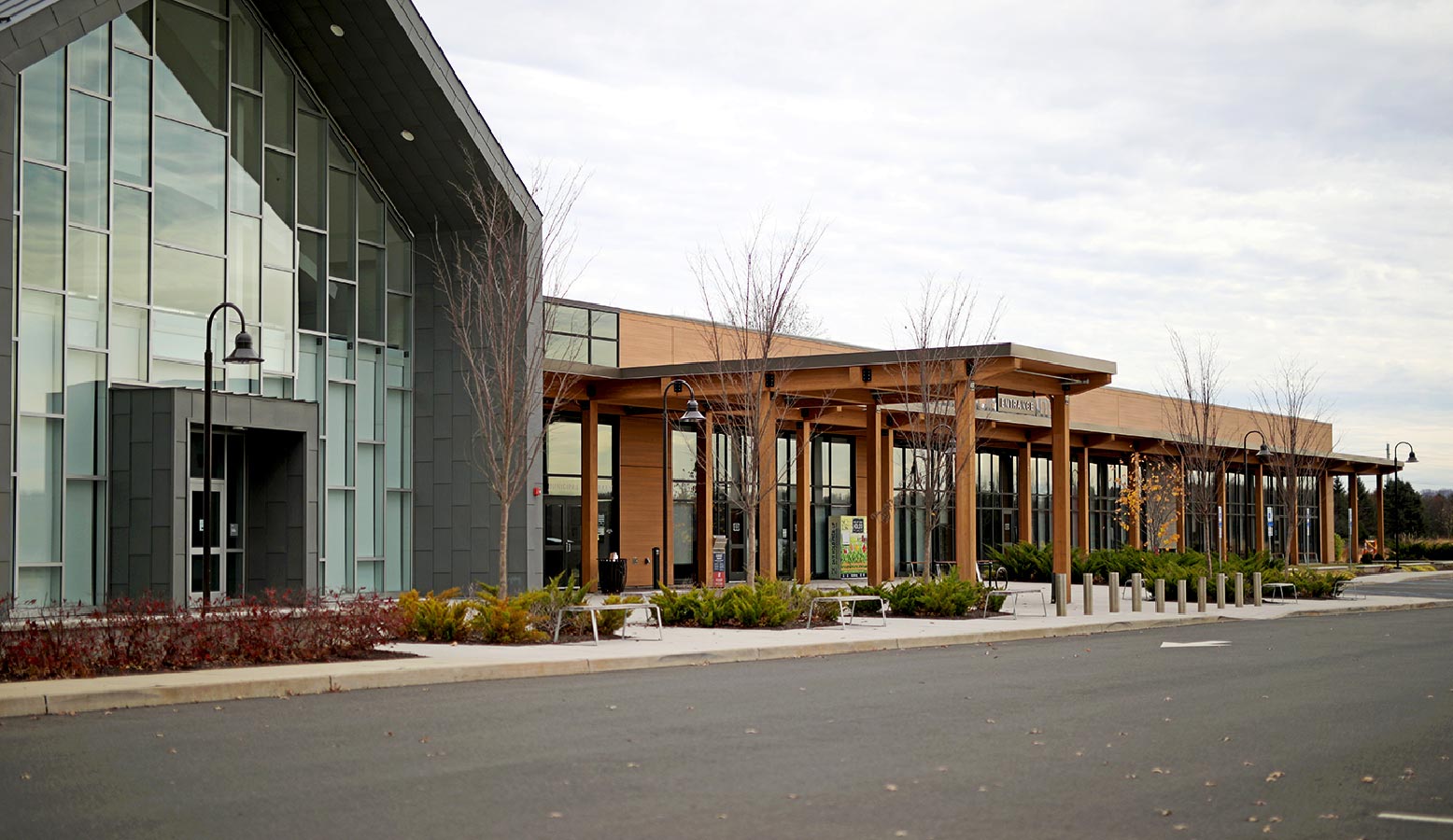
The farmland discussion transitioned into an update on another major planning initiative — Plan4Health Montgomery. Kenyon told the board that Plan4Health approaches land-use planning through a public-health lens, examining how zoning, transportation, housing, environmental conditions and access to services can affect residents’ physical and mental well-being. The project is being incorporated into Montgomery’s Master Plan reexamination and includes a climate-change-related hazard vulnerability assessment. Planners have been studying demographic information, transportation, housing, food access, open space, tree canopy and environmental conditions while combining that information with surveys and direct community feedback. One issue has emerged particularly clearly. Kenyon said mobility has been identified as a leading concern — including pedestrian and bicycle safety, access to public transportation and the ability of residents without private vehicles to reach medical appointments, public meetings and other services. Rather than looking only at township-wide statistics, planners are attempting to identify issues at the neighborhood and street level. That could mean examining anything from an unsafe intersection or missing sidewalk to a neighborhood lacking transportation options, tree canopy or access to essential services. An in-person Plan4Health community listening session is scheduled for Oct. 8 at 7 p.m. at the Montgomery Municipal Building, providing residents another opportunity to contribute to the process.
The Planning Board’s next regular meeting is scheduled for Oct. 12, when the farmland-preservation plan is expected to return for further discussion and possible adoption.
Photo Credit: Nicholas Mistretta/headlinenewsmontgomery.com