




From Opportunity to Implementation
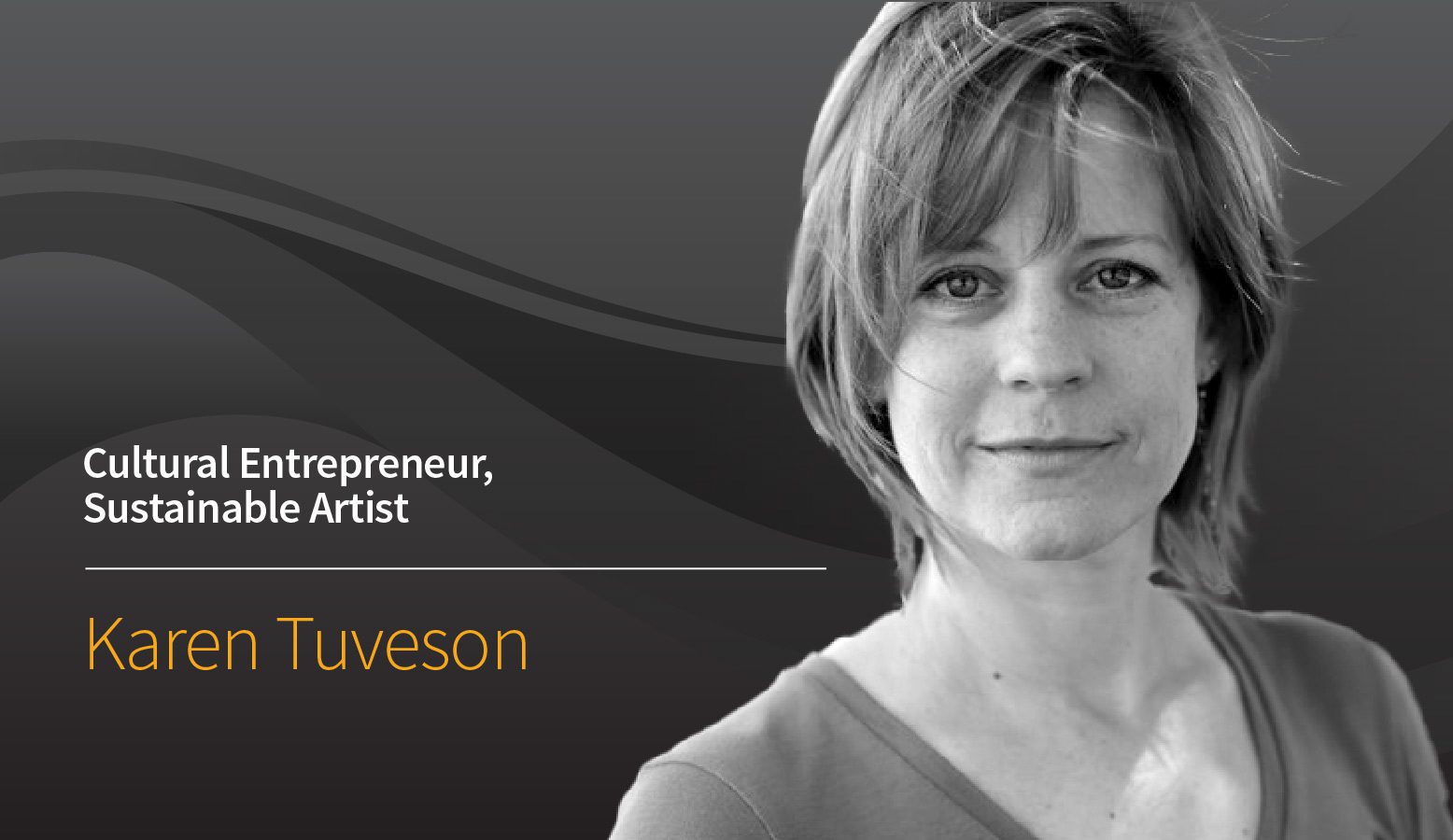
Karen Tuveson | Contributing Columnist
CREATIVE INFRASTRUCTURE: RETHINKING COMMUNITY DEVELOPMENT (PART 3)
Part 3 of a look at how creative infrastructure strengthens local economies, supports public health, and activates underutilized space.
Building Forward
Earlier parts of this series outlined a clear pattern: development incentives continue to shape new construction, while existing commercial space and community infrastructure —including the arts— remain underutilized. At the same time, local examples have demonstrated that when empty space is intentionally activated through arts and community programming, it generates measurable economic activity, strengthens the local business ecosystem, and expands public engagement.
The issue is no longer viability. The conditions for success are already present. The question is how to translate those conditions into systems that are stable, scalable, and integrated into long-term planning.
Existing Models
Approaching how to do this is neither new nor experimental. Communities of varying size have long integrated creative space into economic development strategies.
Projects like Bell Works in Holmdel, Bok in Philadelphia, and programs such as ChaShaMa in New York City demonstrate how underutilized buildings can be repurposed to generate consistent foot traffic, support local businesses, and expand access to shared space.
These models are not defined by scale, but by structure. While some operate within large developments, the same principals can be applied across smaller, distributed sites, creating a network pf spaces that collectively contribute to economic vitality and public life.
What remains is whether leadership chooses to act on opportunities already present.



Beyond Economics
The impact of this type of infrastructure extends beyond financial return. Spaces supporting creative engagement foster in-person interaction, strengthen social connection, and build on a sense of shared community—factors increasingly linked to mental and cognitive health.
At the same time, prioritizing the use of existing buildings reduces environmental costs associated with new construction. Adaptive reuse limits material consumption, reduces waste, and makes more efficient use of existing infrastructure.
Taken together, outcomes point to a more balanced and resilient approach to community development—one that aligns economic growth with environmental responsibility and human health.

From Efforts to Systems
Locally, the groundwork for this has already been established. Temporary programming, public art initiatives, and collaborations among artists, businesses, and property owners have demonstrated both demand and impact. What remains missing is continuity.
The next step is integration: shifting from episodic efforts to a coordinated system that connects available space with qualified organizations and aligns with municipal planning strategies which include creative infrastructure.
In practical terms, this includes establishing clear pathways for both short-term and long-term use of underutilized properties, building consistent relationships between property owners and program operators, and replacing informal arrangements with defined frameworks.



Leadership and Policy
This level of coordination is not incidental. It is shaped through policy.
Municipalities already influence development outcomes through tax incentives, abatements, and redevelopment agreements. These same tools can define community benefit, through requirements for dedicated nonprofit and arts-based space, or through incentives that encourage activation of existing vacant properties.
Developers respond to financial frameworks. When expectations around community integration are clearly defined, they become part of the process rather than an afterthought.
It is equally important to recognize that the work of building and sustaining this kind of infrastructure is professional in nature. When organizations and individuals generate economic activity and contribute to community well-being through programming, that work must be formally included within within economic development strategies.
As a working artist and community arts organizer, my focus spans both creating and sustaining the broader cultural ecosystem that supports it. The increasing demand for infrastructure highlights a larger gap—one that points directly to the absence of formal systems and support, not a lack of effort or expertise.




Alignment
A coordinated approach does not require reinvention, it requires alignment. Policy tools already in use can be expanded to:
- integrate a specific set-aside (20%) for creative and community space into all (re)development agreements
- incentivize the use of existing vacant commercial properties
- formalize partnerships between municipalities, developers, and experienced program operators
- create consistent access to space that supports ongoing, public-facing activity
When these elements are connected, isolated efforts begin to function as a system, one that becomes a healthy and balanced infrastructure.

A Decision Point
Communities are shaped not only by what they build, but by how they use what already exists.
When development strategies prioritize new construction without fully utilizing existing space, and when economic planning excludes the role of creative infrastructure, the result is an imbalanced system that is less efficient, less connected, and less responsive to the needs of the community it serves.
The alternative is already visible. Local efforts have demonstrated what is possible, and other communities have shown how it can be sustained and scaled. Global data reinforces this model—the creative economy alone generates over $2 trillion annually and supports nearly 50 million jobs worldwide, and international statistics prove that for every $1 a community invests in the arts, it realizes $4 to $7 in return through tourism, increased local spending, and business growth—underscoring the role of arts and culture in economic performance, public health, environmental efficiency, and long-term community resilience.
What remains is the decision to formalize this approach—to recognize creative infrastructure as a core component of economic development and to build it with intention.
The opportunities are already here. The need is clear. The return is proven. What remains is whether leadership is willing to move beyond rhetoric, align policy with possibility, and finally treat creative infrastructure as the essential community investment it is.

Photo Credit: Author supplied