





Age-Friendly Study Highlights Gaps in Services for Seniors
Nicholas Mistretta
MONTGOMERY, NJ — A comprehensive assessment of the needs of older residents took center stage at the March 31 Montgomery Township Committee meeting, as officials reviewed early findings from the township’s “Age-Friendly Montgomery” initiative.
The study, funded through a $70,000 grant from the New Jersey Department of Human Services, is aimed at evaluating how well the township supports residents age 55 and older—and what changes may be needed as that population continues to grow.
Public Health Planner Emily Schreiner, who led the presentation, explained that the initiative included multiple layers of data collection. These included 23 interviews with community stakeholders, a town-wide survey with 198 respondents, and three public listening sessions, all designed to capture both quantitative data and lived experiences of older residents.

While the data showed that many seniors are deeply rooted in Montgomery and want to remain in their homes, it also revealed a disconnect between that desire and the township’s current infrastructure and services.
“Most people want to stay here and age in place,” Schreiner said, noting that long-term residency is common among respondents. Residents over 55 make up approximately 30% of Montgomery’s population, with nearly 15% over age 65. However, only 18% of survey respondents strongly agreed that Montgomery is an excellent place to age, signaling room for improvement. One of the most significant findings centered onlack of awareness and access to services. According to the survey 70% of respondents did not know who to contact for key services such as caregiving support, transportation, meal delivery, or financial assistance. This gap points not only to potential service limitations, but also to communication challenges within the township.
Transportation emerged as the single most frequently cited concern across all forms of data collection. Many older residents rely heavily on driving, but expressed concern about what would happen if they were no longer able to do so. Existing public and county transportation options were described as limited in both geography and scheduling, with some residents noting they could not access nearby medical providers outside county boundaries.



Housing also presented a significant issue. While most respondents currently live independently, 41% indicated their homes would not be suitable for aging in place if they developed mobility or health limitations. At the same time, only 24% agreed that the township offers adequate housing options for seniors, highlighting a gap between current living situations and future needs.
The township’s senior center, while widely recognized, appears underutilized. About half of respondents said they were familiar with its programs, yet nearly 80% reported never using the facility. Reasons ranged from lack of awareness of programming to a perception that offerings are geared toward older or less active seniors.
In addition, respondents expressed interest in more diverse recreational opportunities, particularly for younger, active older adults. Suggestions included expanded fitness programming, social activities, and community events beyond traditional senior services.
Despite these concerns, the report also emphasized several strengths. Residents consistently praised Montgomery’s parks, open space, and trail systems, as well as the township’s sense of community and access to healthcare providers. Many participants described Montgomery as a place they value and want to remain in, reinforcing the importance of adapting services to meet evolving needs.



Committee members engaged with the presentation, raising questions about participation levels and how representative the data may be. With fewer than 200 survey responses in a township where thousands fall within the target age group, some officials noted the need for broader outreach in future phases.
Looking ahead, Schreiner outlined a series of recommendations, ranging from short-term improvements—such as centralizing information and increasing program visibility—to longer-term initiatives, including expanded transportation options, additional senior programming, and potential investment in larger or updated senior facilities.
Township officials indicated that the next phase will focus on developing a formal action plan, with an emphasis on identifying practical, cost-effective steps that can be implemented in the near term while planning for more complex, long-range solutions.
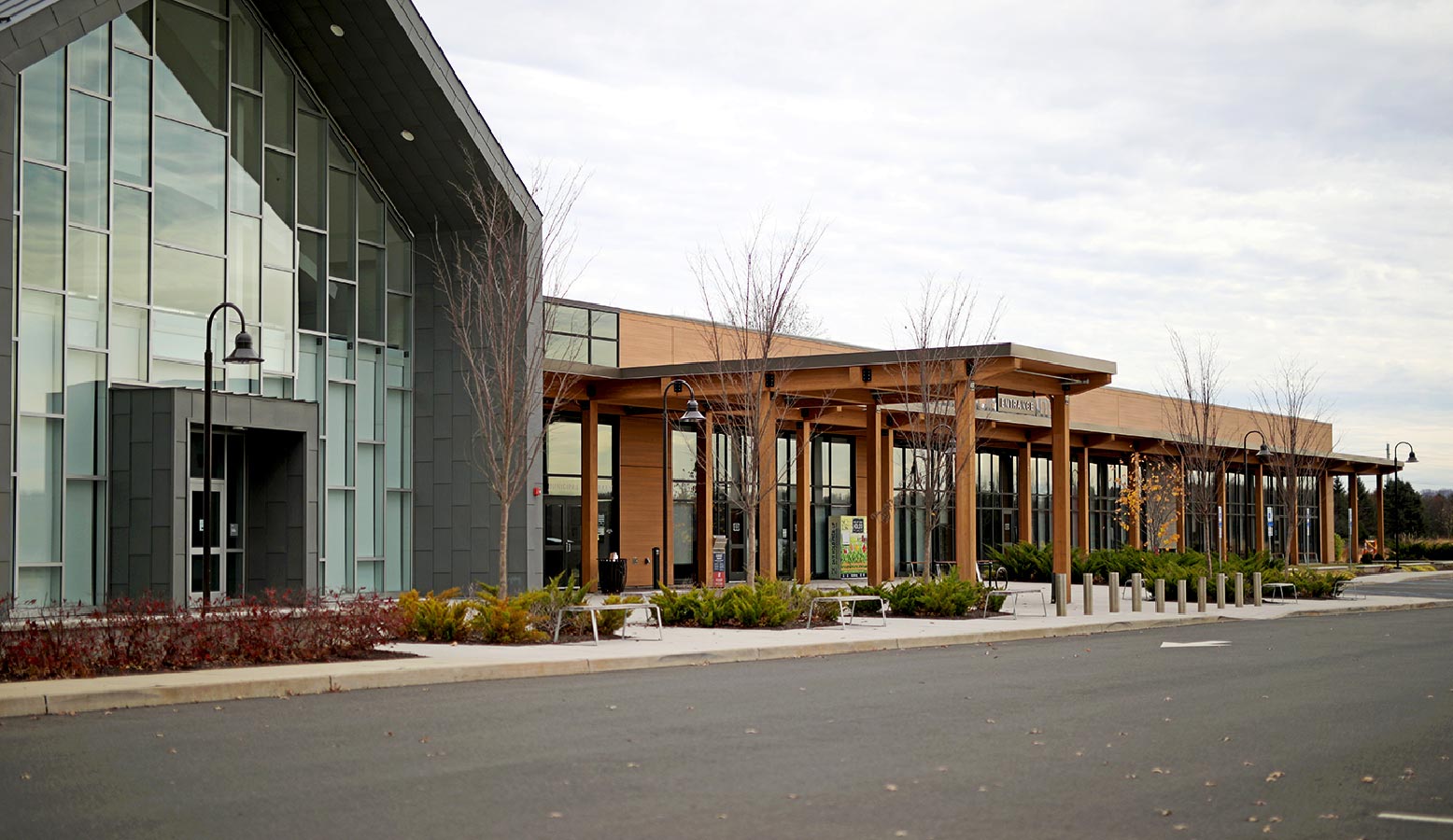
Photo Credit: Nicholas Mistretta/headlinenewsmontgomery.com