




BOE Action Vote Draws Sharp Debate Over Unseen Reports, Cellphone Use on School Buses
Nicholas Mistretta
MONTGOMERY, NJ — What began as the Montgomery Township Board of Education’s routine vote on action agenda items developed into an extended and at times tense discussion Oct. 13, as board members questioned whether they should approve required reports they had not yet seen and debated language governing student cellphone use on school buses. The board ultimately approved the action agenda, but not unanimously. Board member Nunez voted against items 3.15 and 3.16, while Wang voted against item 3.15. Board member Worland voted against Regulation 5516, the internet-enabled device regulation that prompted a separate discussion over whether students should be permitted to use cellphones while riding school buses.



Questions Over Reports Not Yet Available to Board
The most pointed exchange centered on agenda items 3.15 and 3.16, which administration said involved reports still being prepared for submission to the county office. When Nunez asked whether the reports were available for board review — or whether the items should instead be postponed. Business Administrator Andrew Italiano said the documents were still in progress and there was “nothing to share yet.” He characterized the action before the board as authorization to submit the required reports once completed. Italiano said the submission was largely data-driven and followed the district’s established practice from prior years. “It really doesn’t need board review or board feedback,” Italiano said during the discussion, adding that it was a facilities report he had handled for many years. He said he had followed the same process used previously and that the reports were not yet available. Nunez challenged the idea of voting to authorize submission of a document the board had not yet reviewed, repeatedly asking whether members were effectively being asked to approve something they had not seen. Italiano answered yes, but warned that delaying the vote could put the district at risk of missing a required deadline. He said he could inform the county office that the board had declined to act, but added that the district could then become delinquent in its submission. The exchange became more pointed when the possibility of tabling the items was raised. No formal motion to table was ultimately made, and the discussion moved forward.
Later in the discussion, Wang echoed Nunez’s concern, saying the issue was not necessarily the substance of the maintenance report but the expectation that board members vote without first seeing the document. “I cannot put my name on something I’ve never seen,” Wang said, comparing the situation to approving academic work without reviewing the underlying proposal. She later said that not having the report available put the board “in a bind” and that she was not comfortable approving a document she had not reviewed. Vice President Spina pushed back on the level of documentation being requested, suggesting that members consider how boards in other districts handle similar administrative submissions and cautioning that increasingly detailed requests could pull the board too deeply into operational matters. Nunez responded that different boards may operate differently and maintained that, for him, the issue was one of governance and process: if a board is being asked to authorize a submission, he wanted an opportunity to see what was being submitted. The disagreement did not prevent the items from passing. Wang voted no on 3.15, while Nunez voted no on both 3.15 and 3.16. The remaining action items received the votes necessary for approval.

Worland Raises Concern Over Cellphone Use on School Buses
A separate and lengthy discussion centered on Regulation 5516, governing student use of internet-enabled devices. Worland said her concern was specifically with language that could be interpreted by parents and students as affirmatively permitting cellphone use on school buses. She said she would be more comfortable with language making clear that devices should remain stored and put away during the bus ride, while still allowing access in an emergency. Her concern, she said, was that the regulation as drafted could be cited by parents as confirmation that a child is allowed to be on a phone while riding the bus. Other members raised a practical enforcement concern: bus drivers’ first responsibility is safely operating the vehicle, making it difficult to monitor whether individual students are using phones. Worland responded that bus drivers already encounter other student-conduct issues and can report behavior after arriving at school rather than attempting to intervene while the bus is moving.



Member Nunez asked whether cellphone-related problems had actually been reported on buses this year. No specific data was presented during the exchange, Worland acknowledged that the concern was being informed partly by anecdotal experiences rather than districtwide statistics. The board further discussed the relationship between the district regulation and recently enacted state requirements governing student internet-enabled devices. During the meeting, it was explained that the district needed to address school-bus use as part of those requirements, although Worland argued that the state rules did not necessarily require the district to affirmatively permit cellphone use on buses. A possible compromise was considered: adopt the policy and regulation to meet the immediate requirement, then return the bus language to the policy committee for further review. Board members ultimately concluded that because the policy itself references Regulation 5516, separating the two at that stage would be difficult. The suggestion was therefore to adopt both and revisit the regulation later if the board wished to change the language. Worland made clear that she remained uncomfortable with the regulation as written and ultimately cast the lone recorded no vote on that item.


Solar Panel Removal Prompts Questions About Contract Terms
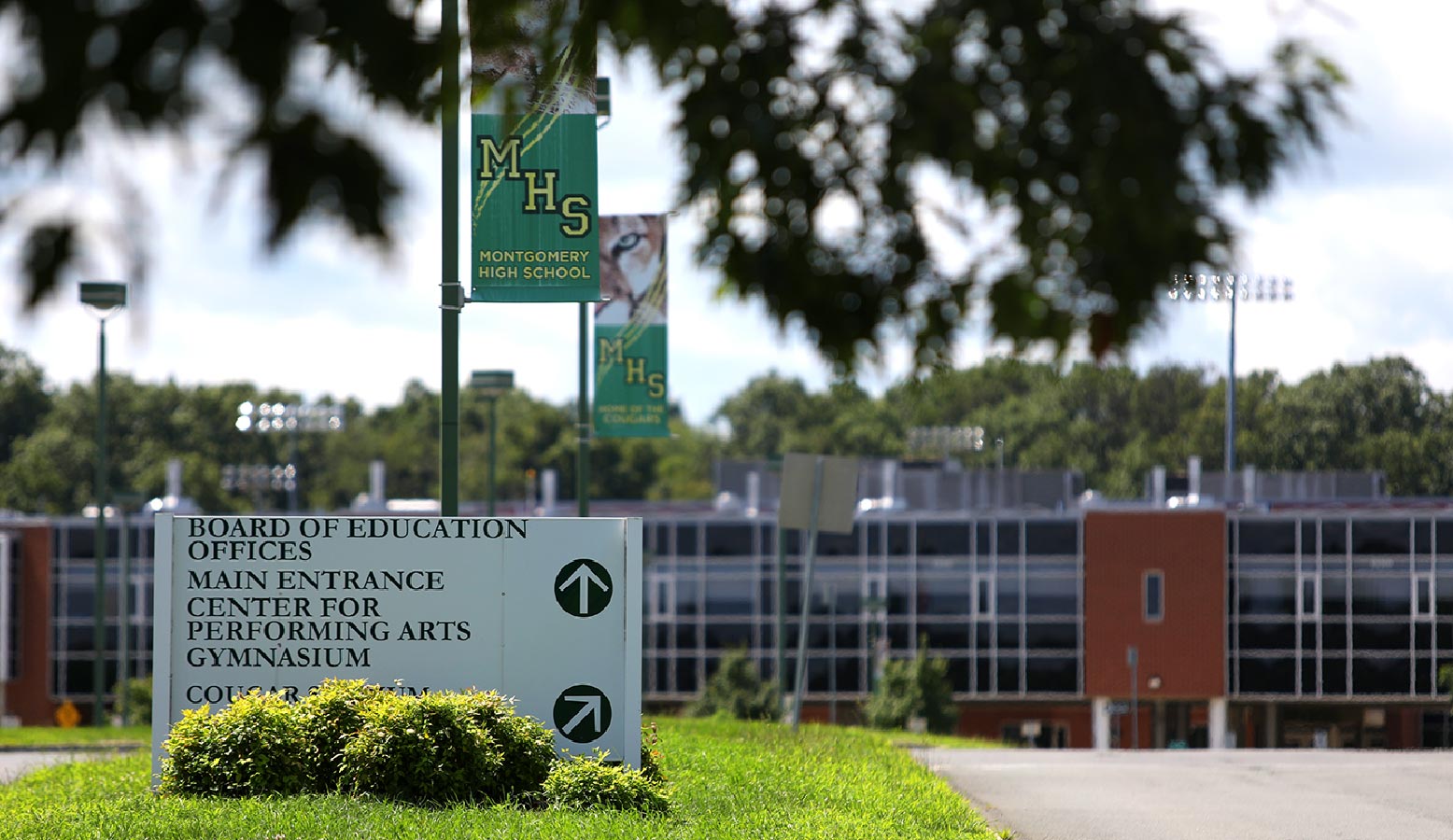
The board also sought clarification on agenda item 3.14, involving a solar agreement and roof work at Montgomery High School. Administration explained that the existing solar lease was scheduled to end in November, after which the company would have up to 180 days to remove the panels. However, the district is already experiencing roof leaks in a portion of Wing B, creating concern that waiting until spring could allow the problem to worsen over the winter. The district therefore proposed paying to have only the affected section of solar panels removed early so repairs could be completed now. Officials explained that under the existing contract, removing panels before the agreement expires requires the district to compensate the solar company for estimated energy production that would have been generated during the remaining contract period. Administrators said facilities staff narrowed the early removal to the portion of roof that most urgently needs repair in an effort to limit the cost. Board members questioned why the older contract did not contain an exception for emergency roof repairs and suggested that any future agreement should address similar circumstances so the district is not faced with paying additional costs when building repairs require panel removal.

Wang Defends Differing Views on Oversight
The meeting closed with a final comment about the broader tone of the board’s deliberations. Member Wang said lengthy discussion of agenda items should not necessarily be viewed negatively, arguing that board members are elected to serve the community and that differing opinions and public debate are part of that responsibility. “Healthy debate is sometimes needed for public information,” she said, while also expressing hope that the board could continue working together on behalf of students.
Photo Credit: Nick Mistretta/headlinenewsmontgomry.com