





Vacant Spaces, Missed Opportunities, and a Flawed Development Model
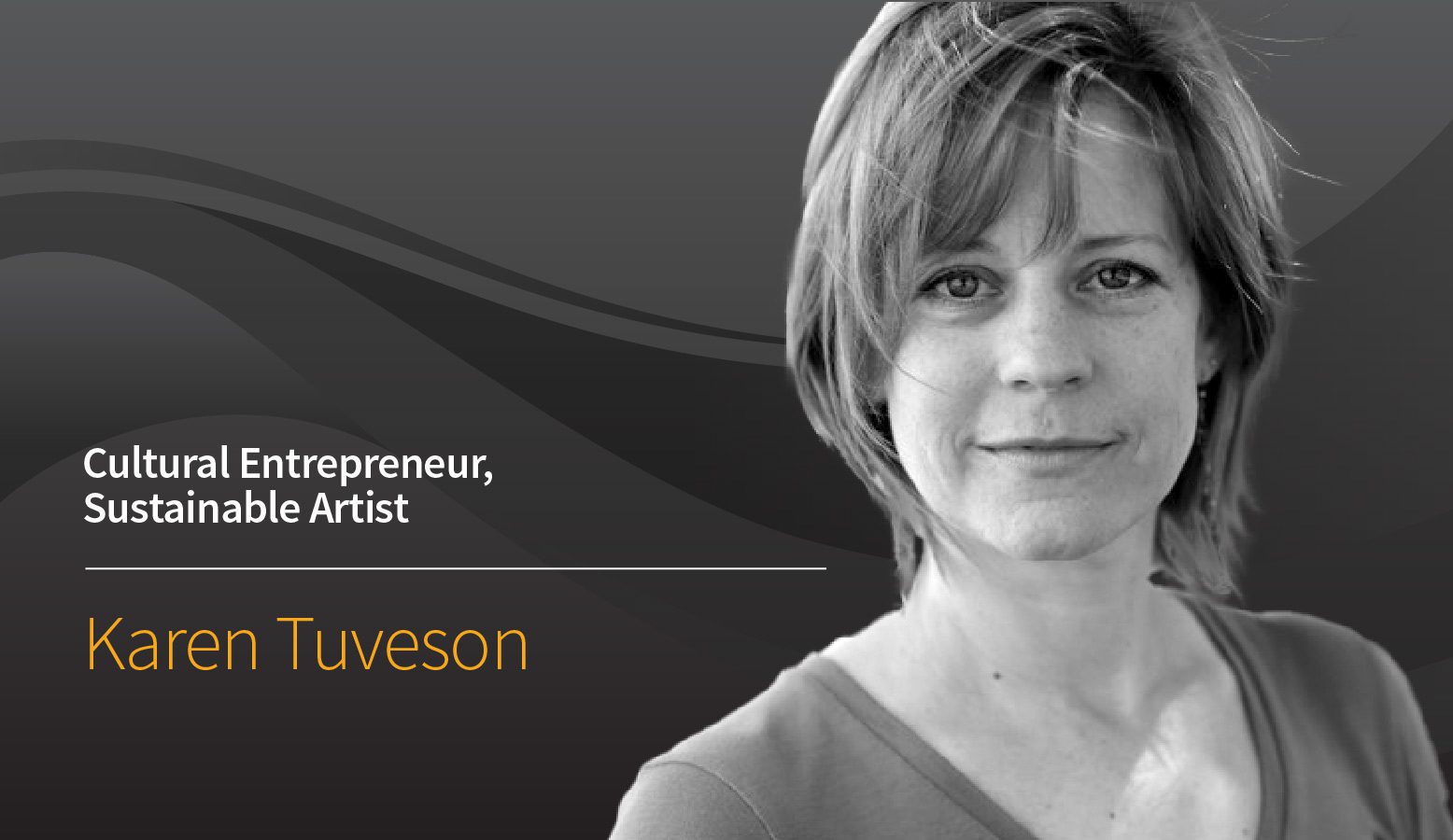
Karen Tuveson | Contributing Columnist
CREATIVE INFRASTRUCTURE: RETHINKING COMMUNITY DEVELOPMENT (PART 1)
A three-part look at how creative infrastructure strengthens local economies, supports public health, and activates underutilized space. When Empty Spaces Linger, So Does Missed Opportunity
Across the region, and throughout our township, vacant commercial spaces continue to sit idle—dark storefronts and business complexes, underutilized commercial buildings, and stalled developments that signal more than just economic slowdown. They reflect a deeper failure in how we think about community investment. At the same time, local officials continue to negotiate tax incentives and rebate deals with developers. These agreements are funded, directly or indirectly, by residents through rising property taxes. These deals are often justified as necessary to attract business and stimulate growth. Yet one critical question remains absent from the conversation:
What are we getting in return beyond empty promises of future occupancy?
When public investment consistently favors private development, it invites a deeper question about how those decisions are made, and who stands to gain from them beyond the project itself. There is no requirement, none, that these developers dedicate even a fraction of that subsidized space to community-serving uses. No requirement to support nonprofits. No requirement to invest in cultural infrastructure. And notably, no requirement to support the arts. That omission is not just a cultural oversight. It is also an economic and public health oversight.



The Data Is Clear: The Arts Are Not Optional
The arts are often framed as a luxury—something to support once “real” economic development is secured. That thinking is outdated and contradicted by decades of data. In the United States, the arts and cultural sector contributes over $1.2 trillion annually to the economy, more than 4% of GDP, and supports millions of jobs. In recent years, the sector has grown at a rate that outpaces much of the broader economy. Beyond direct revenue, arts activity drives spending in surrounding businesses (restaurants, retail, hospitality) and plays a measurable role in attracting residents, visitors, and talent. Regions that invest in arts infrastructure see increased economic activity, stronger community identity, and greater long-term resilience. Yet locally, this reality is being ignored.
A Real-Time Loss: Local Artists Without Space
The recent closure of Princeton Makes is not an isolated event, it is a warning sign. Artists in this area have just lost critical studio space. Not theoretical space. Not future plans. Real, working studios that supported creative production, collaboration, and community engagement. And there is no clear path to replace this. At the very moment when vacant commercial properties are increasing, artists are being pushed out. That contradiction exposes a failure in planning and priorities. Empty buildings and displaced creators are not separate problems. They are two sides of the same missed opportunity.



The Arts and Health: A Growing Scientific Field
There is another dimension to this conversation that is not acknowledged in local policy discussions: the direct connection between the arts and human health. A growing body of research in neuroscience and public health shows that engagement with the arts, whether through creating or experiencing, has measurable effects on the brain and body. Studies have linked arts participation to reduced stress hormones, improved cognitive function, stronger emotional regulation, and even enhanced immune response. Healthcare systems are taking note. Hospitals and medical institutions are increasingly integrating arts-based programs to support patient recovery, mental health, and overall well-being. This is not experimental fringe work, it is an emerging field grounded in neuroscience and clinical research. At a time when communities are grappling with rising rates of anxiety, isolation, and burnout, the arts are not an accessory. They are part of the solution. Ignoring this connection is not just shortsighted, it carries real social and economic costs.
Innovation Without Creativity Is a Dead End
Local leadership frequently emphasizes “innovation sciences” as a guiding economic strategy. Investment in science and technology matters. But innovation does not exist in isolation. All innovation is driven by creative thinking—by the ability to see connections, imagine alternatives, and approach problems from new perspectives. These are not byproducts of technical training alone. They are core outcomes of artistic practice. You cannot build a culture of innovation while systematically ignoring the very disciplines that cultivate it. The most forward-thinking regions understand this. They integrate arts into economic development, not as decoration, but as infrastructure.

A Simple, Practical Solution
This is not an abstract debate. There is a clear, actionable step available right now:
Tie development incentives to public benefit.
If developers want to receive tax abatements, rebates, or public support, our elected officials and township representatives must require:
- Dedicated space for nonprofit use
- Affordable or subsidized studios for artists
- Cultural or community programming within commercial developments This approach ensures that public investment generates public value, not just private return.
The Question We Need to Ask
Right now, we are subsidizing development without shaping it. We are allowing space to sit empty while displacing the very people who bring vitality to a community. We are prioritizing innovation in name, while overlooking the foundational role of creativity, and its proven impact on both economic strength and human health. So the question is no longer whether we can afford to support the arts.
It is whether we can afford to ignore them.
Photo Credit: Author supplied